
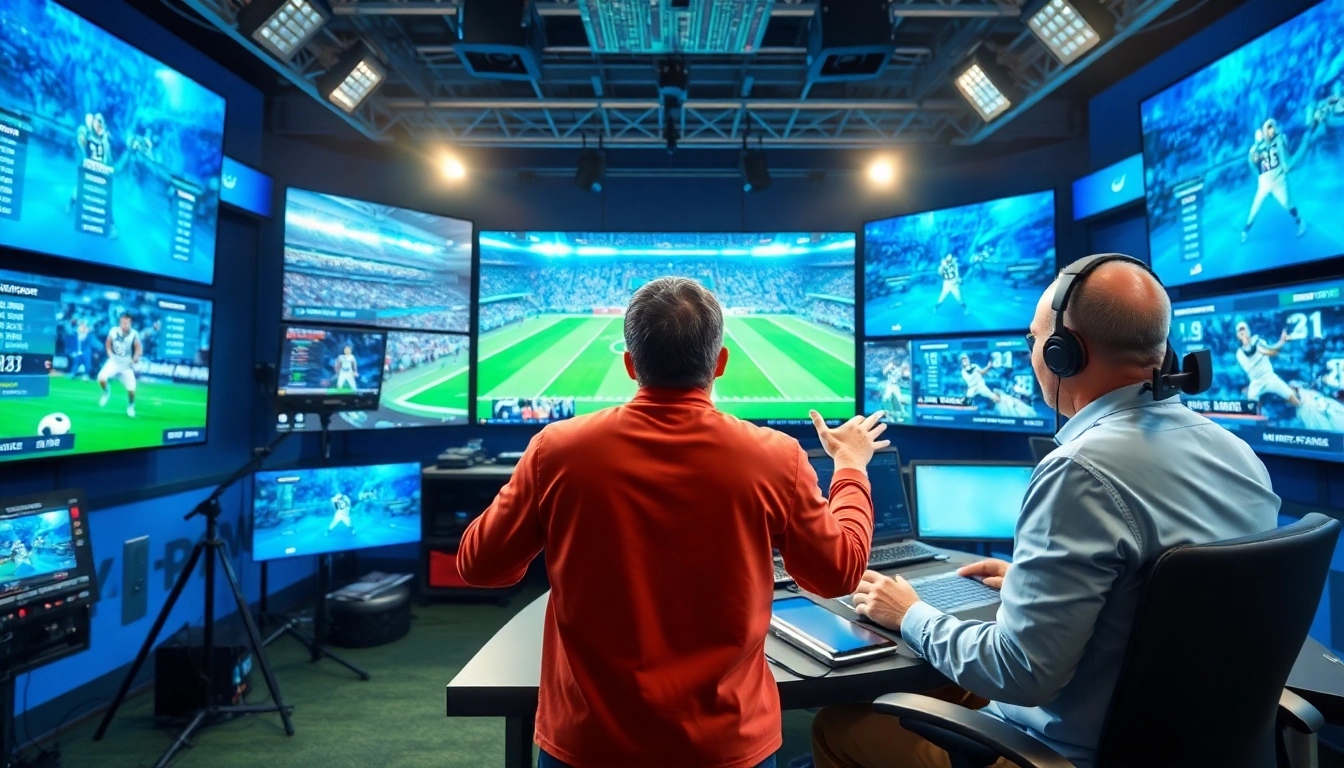
Understanding the Basics of Sports Broadcasting
Sports broadcasting is an essential element of today's media landscape. It encompasses the live coverage, analysis, and reporting of sporting events, allowing fans to follow their favorite teams and athletes from the comfort of their homes. As the industry evolves, understanding the fundamentals and intricacies of Sports Broadcasting is crucial for anyone interested in this dynamic field.
What is Sports Broadcasting?
Simply put, sports broadcasting refers to the transmission of sports-related content across various mediums, including television, radio, and digital platforms. It involves not only the play-by-play commentary of events but also pre-game analyses, highlights, and discussions about various sports topics. This comprehensive coverage allows fans to engage with sports on multiple levels, serving both casual viewers and die-hard enthusiasts alike.
The Evolution of Sports Broadcasting
Over the decades, sports broadcasting has undergone substantial changes, reflecting advancements in technology and shifts in consumer preferences. Initially, radio was the primary medium for sports coverage, with live commentary allowing audiences to visualize games through audio. This transitioned into television, which brought visuals into play, significantly enhancing viewer engagement. Today, the rise of streaming platforms and social media has transformed how fans consume content, enabling them to access games anywhere and anytime.
Key Components of Effective Sports Broadcasting
Effective sports broadcasting comprises several key components, including clarity of commentary, a deep understanding of the sport, proper use of technology, and engaging storytelling. Commentators need to convey information succinctly while maintaining the excitement of live sports. The integration of graphics and statistics can enhance the viewer experience, making broadcasts more interactive and informative.
Current Trends in Sports Broadcasting
Integration of Digital Platforms
The integration of digital platforms into traditional sports broadcasting is revolutionizing how fans consume sports content. With the rise of mobile applications and streaming services, viewers are shifting away from traditional cable providers. This change necessitates that networks adapt their programming and distribution methods, focusing on personalized content and on-demand viewing experiences.
Increased Use of Interactive Content
Interactive content is increasingly becoming a core element of sports broadcasts. Features like live polls, viewer questions, and interactive graphics allow fans to engage with broadcasts in real-time. This interaction not only makes viewing more enjoyable but also helps broadcasters gather immediate feedback and insights into viewer preferences.
Emergence of Esports Broadcasting
The world of esports is fast becoming a major player in the sports broadcasting arena. With millions of dedicated fans globally, esports events are being broadcast on traditional platforms and streaming services. This trend highlights a significant shift in the definition of 'sporting events,' as esports continues to garner legitimacy and recognition alongside traditional sports.
Challenges Facing Sports Broadcasting Today
Adapting to Changing Viewer Preferences
As demographics shift and technology evolves, broadcasters face the challenge of adapting to changing viewer preferences. Younger audiences tend to prefer on-demand content over live broadcasts, creating a need for networks to develop flexible and engaging offerings that cater to this new consumption style.
Managing Rights and Licensing Issues
The complexities of rights and licensing for sports content present a significant hurdle in the broadcasting landscape. Securing the necessary permissions to broadcast games and events demands careful planning and negotiation, as well as a keen understanding of the legal frameworks involved in different regions and platforms.
Ensuring Quality and Reliability in Broadcasts
With the proliferation of channels and platforms, maintaining high-quality broadcasts has never been more critical. Viewers expect seamless experiences, with minimal buffering or interruptions. Investing in technology and infrastructure to ensure pristine quality is a top priority for operators in the space.
Best Practices for Engaging Viewers in Sports Broadcasting
Utilizing Social Media Effectively
Social media has become an indispensable tool for engaging viewers in sports broadcasting. Platforms like Twitter, Instagram, and Facebook allow broadcasters to share real-time updates, behind-the-scenes content, and highlight clips, fostering community and involvement among fans. Regular interactions and responses to fan comments can further strengthen viewer loyalty.
Incorporating Viewer Interaction and Feedback
Being responsive to viewer feedback and incorporating interactive elements into broadcasts is essential for building a loyal audience. Surveys, contests, and feedback mechanisms encourage fans to share their thoughts and ideas about content, fostering a sense of collaboration between broadcasters and their audiences.
Enhancing Broadcast Quality with Technology
Investing in modern broadcasting technology, including high-definition cameras and advanced analytics, enhances broadcast quality dramatically. Technologies such as augmented reality and virtual reality are gaining traction, offering viewers unique experiences that continue to innovate and redefine traditional viewing paradigms.
Measuring Success in Sports Broadcasting
Key Performance Indicators (KPIs)
To gauge the effectiveness of sports broadcasting efforts, networks utilize various Key Performance Indicators (KPIs). Metrics may include viewer ratings, audience retention rates, interaction levels on social media, and overall engagement during broadcasts. Understanding these indicators helps broadcasters refine their strategies and improve content delivery.
Using Analytics to Drive Improvements
Analytics plays a pivotal role in enhancing sports broadcasts. By examining viewer data, networks can identify trends, understand audience preferences, and tailor content accordingly. Analytics can also inform decisions related to scheduling, marketing approaches, and promotional strategies, ensuring a more targeted focus on viewer interests.
Feedback Mechanisms for Continuous Growth
Establishing robust feedback mechanisms enables broadcasters to adapt and improve continually. Regular surveys and focus groups can provide valuable insights into viewer satisfaction, preferences, and desired content changes. Utilizing this feedback creates a responsive and evolving viewing experience for audiences.
Frequently Asked Questions
What is sports broadcasting?
Sports broadcasting refers to the live coverage and analysis of sporting events through various media platforms, allowing fans to engage with their favorite sports from anywhere.
How has sports broadcasting evolved?
The evolution of sports broadcasting includes the transition from radio to television and the recent rise of digital streaming platforms that offer on-demand content to viewers.
What are the main challenges in sports broadcasting?
Challenges include adapting to viewer preferences, managing rights and licensing issues, and ensuring quality and reliability in broadcasts across various platforms.
How can technology enhance sports broadcasting?
Technology, including high-definition video, analytics, and interactive features, can significantly enhance the quality and viewer engagement of sports broadcasts.
What are some best practices for engaging viewers?
Best practices include utilizing social media for interaction, seeking viewer feedback for improvement, and investing in quality broadcast technology to provide an exceptional viewing experience.